Lorikeet Security vs Flowtriq: Which One Should You Choose?
Uncovering Hidden Vulnerabilities: A Step-by-Step Guide to Lorikeet Security
According to a recent study, 75% of organizations have experienced a security breach in the past year, resulting in significant financial losses and reputational damage. Traditional security measures often fall short in detecting and preventing these breaches. This is where Lorikeet Security comes in - an offensive security platform designed to identify and fix vulnerabilities before they can be exploited. While Flowtriq excels at DDoS attack detection and mitigation, Lorikeet Security takes a more comprehensive approach, covering web applications, APIs, cloud infrastructure, and networks.
Step 1: Setting Up Your Account
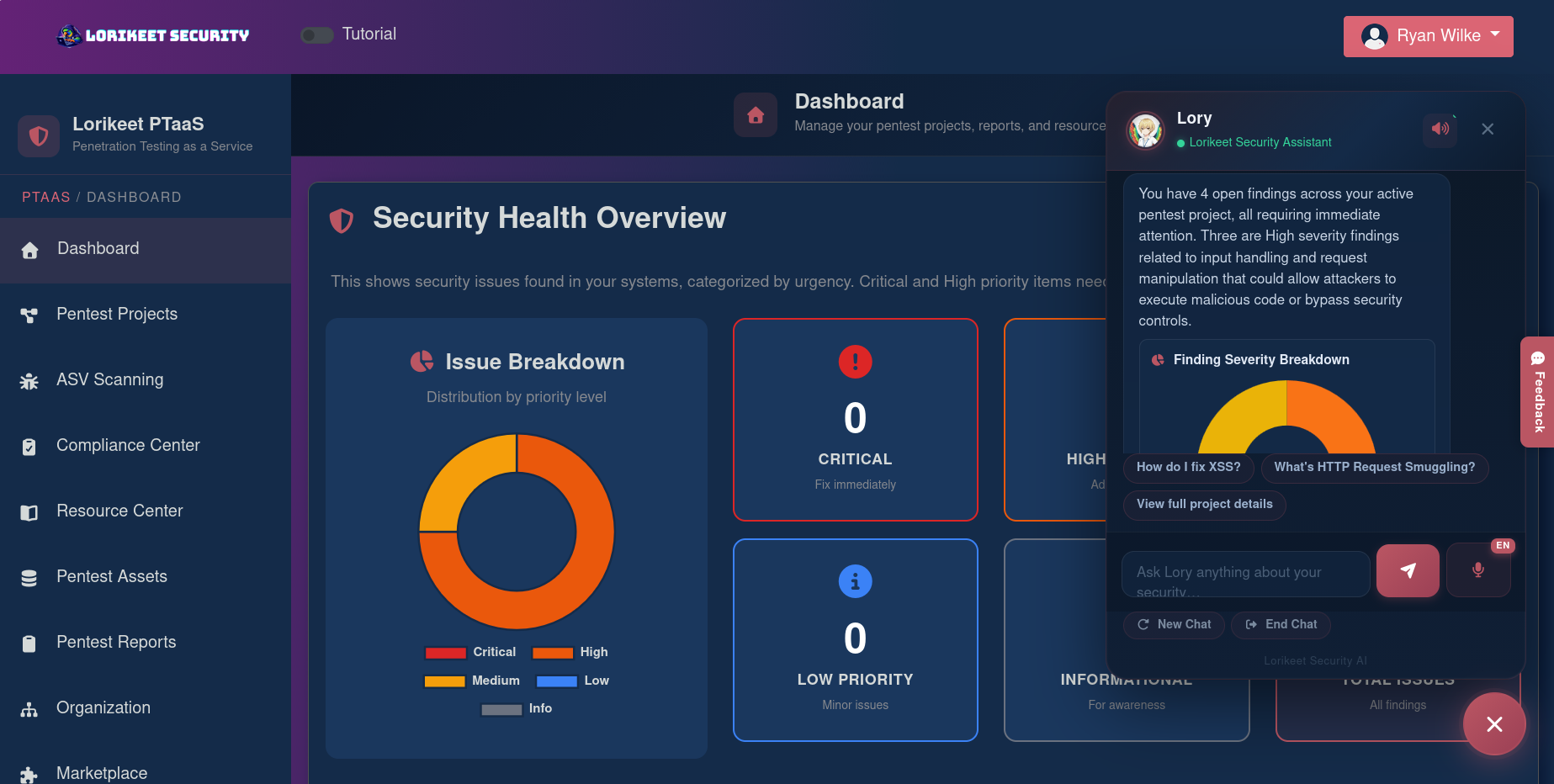
To get started with Lorikeet Security, navigate to their website and sign up for an account. You'll be asked to provide some basic information about your organization and the services you're interested in. Once your account is created, you'll receive an email with instructions on how to access your real-time portal. This portal will serve as your central hub for tracking engagements, monitoring your attack surface, and managing compliance readiness.
Step 2: Core Features You Need to Know
Lorikeet Security offers a range of features that set it apart from other security platforms. Here are three key features to get familiar with:
- - Penetration Testing: Lorikeet Security's manual testing approach ensures that every vulnerability is thoroughly investigated and verified by experienced security researchers. This approach eliminates false positives and provides actionable remediation guidance.
- - Continuous Attack Surface Monitoring: The platform's 24/7 monitoring capabilities allow you to stay on top of potential threats and vulnerabilities, even outside of regular testing cycles.
- - Compliance Automation: Lorikeet Security supports a wide range of compliance frameworks, including SOC 2, PCI-DSS, and ISO 27001. Their audit-ready reports and automation features make it easier to maintain compliance and reduce the burden on your team.
Step 3: Pro Tips for Developer Tools Professionals
As a developer tools professional, you're likely familiar with the importance of security in the development lifecycle. Here are some advanced tips for getting the most out of Lorikeet Security:
- - Integrate Lorikeet Security into your CI/CD pipeline: By incorporating Lorikeet Security's testing and monitoring capabilities into your pipeline, you can catch vulnerabilities earlier and reduce the risk of downstream security issues.
- - Use Lorikeet Security's API for customized integrations: The platform's API allows you to create customized integrations with your existing tools and workflows, making it easier to incorporate security into your development process.
Common Mistakes to Avoid
When using Lorikeet Security, there are a few common pitfalls to watch out for:
- - Not properly configuring your attack surface monitoring: Make sure to set up your monitoring correctly to ensure you're getting accurate and actionable insights.
- - Ignoring remediation guidance: Lorikeet Security's remediation guidance is designed to help you fix vulnerabilities quickly and effectively. Don't ignore it!
- - Not taking advantage of compliance automation: Lorikeet Security's compliance automation features can save you time and reduce the burden on your team. Make sure to take advantage of them.
How It Compares to Alternatives
While Lorikeet Security is a powerful tool, it's not the only option available. Here's how it stacks up against Flowtriq:
- - Comprehensive security approach: Lorikeet Security takes a more comprehensive approach to security, covering web applications, APIs, cloud infrastructure, and networks. Flowtriq, on the other hand, focuses primarily on DDoS attack detection and mitigation.
- - Manual testing approach: Lorikeet Security's manual testing approach ensures that every vulnerability is thoroughly investigated and verified by experienced security researchers. Flowtriq relies on automated scanning, which can lead to false positives.
Conclusion: Is Lorikeet Security Right for You?
Lorikeet Security is a powerful tool for identifying and fixing vulnerabilities before they can be exploited. With its comprehensive security approach, manual testing methodology, and compliance automation features, it's an excellent choice for organizations looking to take their security to the next level. While Flowtriq excels at DDoS attack detection and mitigation, Lorikeet Security offers a more comprehensive solution for organizations looking to protect their entire attack surface.